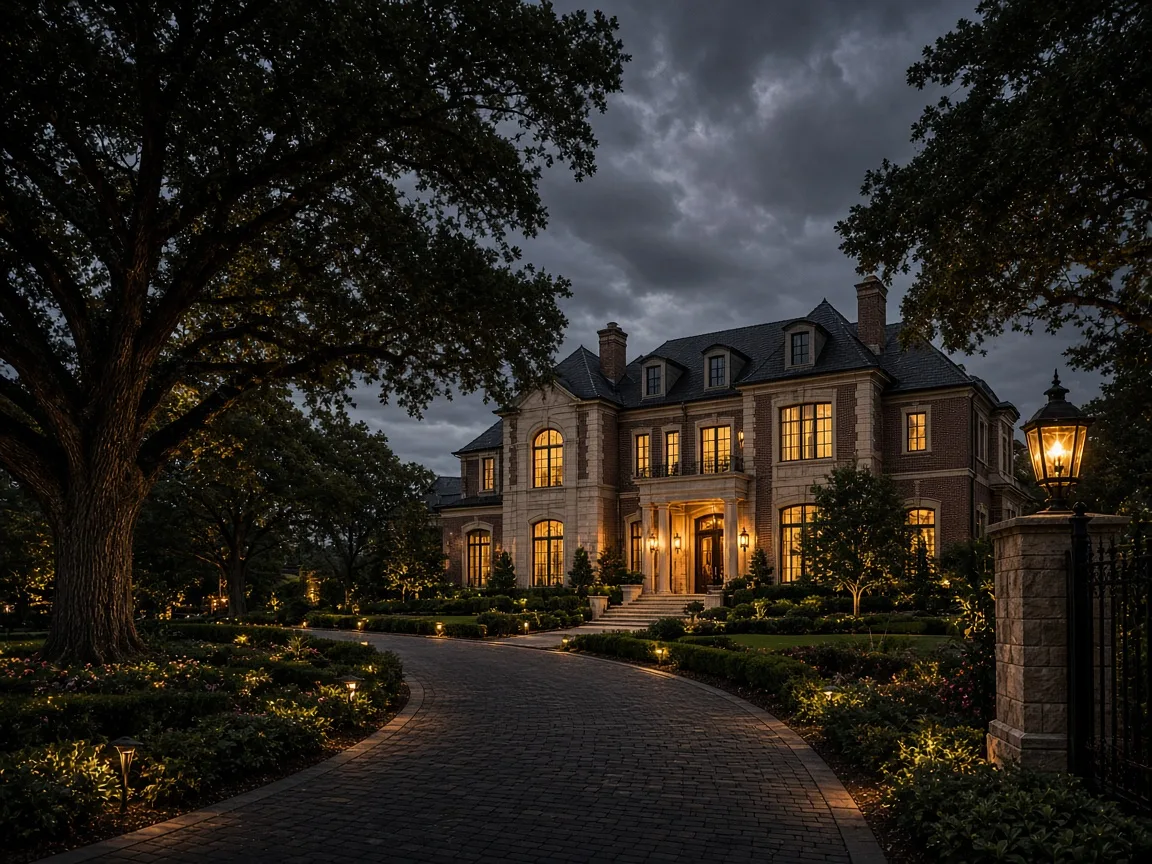
Inheriting a luxury home in Dallas is an emotional decision wrapped inside a financial one, and the two rarely move at the same speed. The first thing to know is that the real choice is not simply sell or keep. It is whether selling, holding, or renting fits your circumstances, your timeline, and your longer-term goals, and the current market data helps you answer that with clarity rather than memory. Across the Dallas luxury market today, the outcome depends less on the fact that you inherited the property and more on where it sits, how well it competes, and what the evidence says about its value right now.
This market is unusually instructive for an inherited property because the luxury tier is the exception to a softer broader market. The decision does not have to be rushed, but it should be informed. Here is what the current Dallas data tells us about the choices in front of you.
What the Data Says About Market Time Right Now
The wider Dallas-Fort Worth market has cooled through 2026, while well-positioned luxury homes continue to move. Across DFW, the median single-family sale price was down about 1 percent year over year, closed sales were down roughly 7 percent, and sellers were receiving about 93.9 percent of list price (NTREIS, September 2026). In the luxury tier the picture reverses: 1,123 North Texas homes closed above $2 million in the 12 months ending October 31, 2026, at a median of 32 days on market, and well-priced homes above the $2.5 million line continue to sell briskly (The Agency Dallas; The Real Deal, 2026). Mortgage rates sit near 7.3 percent for a 30-year fixed and about 7.45 percent for a jumbo, rising again in November 2026 (Freddie Mac; Bankrate). That rate environment squeezes move-up buyers but is not stopping the well-priced luxury tier.
Read those signals together and the picture is clear. An inherited luxury home priced to the evidence and presented to the standard of its ZIP code is being absorbed, often quickly. A property priced from memory and emotion will sit, and the market will move on. For an inherited sale, market time is less a function of timing and more a function of positioning, and that is entirely within your control.
ZIP Code by ZIP Code: Where the Days Go
Where the inherited home sits matters as much as the fact that it is for sale, because each premier Dallas market carries its own competition and pace. The ZIP-level data is the clearest signal of how much leverage you have.
University Park. This is the fastest-moving of the core Park Cities markets. From January through August 2026, University Park closed at a median of just 12 days on market, with the median sale price up about 24 percent to $2.845 million (The Agency Dallas). Homes above $3 million there closed at a median of around 21 days with a median near $5 million in August 2026. If the inherited property is in University Park and it is priced to the evidence, it is in one of the most favorable absorption environments in Dallas right now.
Highland Park. This market blends scarcity with a wide condition standard. Closed sales in 2026 show a median sale price near $2.85 million (down about 8.6 percent as the mix shifted, while price per square foot rose roughly 2.7 percent), with days on market ranging from the high 20s to the high 50s depending on the window (The Agency Dallas; Redfin, 2026). Supply is thin, at roughly 3.5 to 4.9 months, and there were only about 68 to 74 active listings in the 75205 ZIP in the fall of 2026 (Nail & Key; Tom Hughes; Natalie Hatchett). Thin inventory favors the well-positioned seller, but the condition bar is high, and an inherited home that has been quietly unmaintained will stand out for the wrong reason.
Preston Hollow. This is the market where an inherited property needs the most discipline. Preston Hollow carried roughly 5.3 months of supply with about 426 active listings, the softest balance of the core Dallas ZIPs, and the Dallas County tier above $1.5 million carried roughly 6.1 months of inventory (Bale; Redfin; The Agency Dallas, 2026). Days on market have ranged from the low 30s to the high 50s depending on the window and price mix. Here, competing inventory is the silent competitor, and a home that is overpriced or under-prepared will accumulate market time against a deep field of alternatives. The land carries the value; the pricing and presentation have to match the evidence.
Frisco, Southlake, and Trophy Club. In the northern corridors, new construction is the benchmark that any inherited resale must answer to. In Frisco's luxury enclaves, well-priced homes have been going under contract in roughly 28 days, while Southlake's tier above $2.5 million averages about 95 days against brand-new product (Lee Osteguin; Randy White, 2026). An inherited home here competes not only against resale but against a turn-key new build a buyer could move into immediately. The bar is condition and pricing in a market where "as is" rarely competes.
The Three Variables That Decide Your Market Time
Strip away the ZIP-level detail and the same three variables explain nearly every day of market time in an inherited luxury sale:
Pricing accuracy. This is the dominant variable, and it is the one most inherited sales get wrong. An asking price anchored to what the home was worth years ago, or to what it means to the family, is not what the market will confirm. In 2026, well-priced luxury homes have sold in weeks while mispriced listings sat a month or longer and then reduced price (The Real Deal, April 2026). Roughly one in five DFW listings has carried a price reduction through 2026. The first 30 days are the highest-velocity window a listing will ever see, and for an inherited property the number that opens that window should come from comparable sales, not from memory.
Condition and presentation. Luxury buyers compare your property against the best-presented resale in the ZIP code and, in the northern corridors, against new construction. Many inherited homes carry years of deferred maintenance, dated interiors, and accumulated furnishings, and the gap between that state and a market-ready home is measured in both weeks of market time and final price. For an inherited sale, the question is rarely whether to spend money; it is which improvements close the largest gap to the buyer's expectation for the least cost. An honest condition assessment should come before any listing, not after weeks of failed showings.
The buyer pool in your specific ZIP. Luxury buyers are more deliberate and more selective than they were a few years ago, and they are weighing more inventory before they commit. In a deeper-supply market like Preston Hollow, your inherited home must be the one a buyer chooses, not one they consider. That favors clarity of positioning over patience. A smaller, more discerning buyer pool means the property has to be decision-ready the day it launches.
Why Overpriced Listings Keep Sitting
In a balanced luxury market, an overpriced listing does not simply sell later; it sells for less, after more time, because it has already told the market it is out of step. The 2026 data shows the widening gap clearly: well-priced homes sell in weeks, and overpriced listings accumulate days and then reduce price, often more than once (The Real Deal, April 2026; Realtor.com, 2026). Price reductions are not a signal about Dallas; they are a signal about individual listings, and inherited listings are the most likely to carry them because they are the most likely to be priced from attachment rather than evidence. The homes that avoid reductions are the ones whose first number was right.
This is why the calendar is the wrong frame for an inherited property. The right frame is a decision made from the full picture. Selling is not the only sound answer, but if the choice is to sell, the evidence says to position it properly from day one. An inherited luxury home priced to the current comparable sales, brought to the condition standard of its ZIP code, and launched into a window when the right buyer is active will sell on a defensible schedule. One that drifts will not be rescued by waiting.
What This Means for You
Before deciding, know that holding a property is a real option, and renting it is another. Current data can inform both: with mortgage rates near 7.3 percent and the broader DFW market soft while the well-priced luxury tier moves, the financial case for selling is strongest when the property is positioned into a ZIP with real demand, and the case for holding is strongest when you have a clear path to rent or keep it without carrying an expensive, underused asset. Because an inherited property generally receives a stepped-up basis to its value on the date of death, the taxable gain on a future sale may be smaller than many people expect, but any tax decision should be confirmed with your tax advisor and legal counsel. The real estate strategy should be built around your situation, not around a rule of thumb.
For most heirs, the financially sound decision is the one the data supports rather than the one the emotions suggest. The ZIP-level numbers tell you how much competition your property faces, and the three variables tell you what you control in meeting it. A home priced to the evidence, brought to condition, and launched into the right market is the strongest possible position whether you sell, hold, or rent.
If you have inherited a luxury home in Dallas and want to understand what it is worth today, how quickly it would move, and which option fits your circumstances, I would welcome the opportunity to walk through the ZIP-level data and comparable sales with you. Clarity creates confidence, and the numbers are the place to start.
Data Referenced
- The Agency Dallas, Dallas Luxury Market Report, October 2026 (closed sales through August 2026): University Park median 12 days and $2.845 million; Highland Park median near $2.85 million with price-per-square-foot up; Preston Hollow at roughly 5.3 months supply; Dallas County $1.5M+ tier near 6.1 months of inventory.
- NTREIS via The Morris Team, North Texas Market Update, November 2026: DFW single-family median down 1% year over year, closed sales down 7%, inventory at 4.3 months, average days on market at 62, sellers receiving 93.9% of list.
- The Agency Dallas / North Texas luxury sales analysis: 1,123 North Texas homes closed above $2 million in the 12 months ending October 31, 2026, at a median of 32 days.
- Freddie Mac / Bankrate / Forbes Advisor, November 2026: 30-year fixed rate near 7.28% to 7.42%; 30-year jumbo near 7.45%.
- Redfin, Nail & Key, Tom Hughes, and Natalie Hatchett, 2026: Highland Park and University Park supply and days-on-market readings.
- Lee Osteguin (Frisco) and Randy White (Southlake) luxury market commentary, 2026: days on market by price tier versus new construction.
- The Real Deal, April 2026: market time for well-priced homes above $2.5 million versus mispriced listings.
Figures are drawn from publicly available reporting as of November 2026 and are dated in each reference. Market conditions change. Tax considerations involving an inherited property, including basis and gain, should be confirmed with a qualified tax advisor and legal counsel. Contact Jana Fariss for the most current data and a personalized analysis for your property.
Powered by Meridian Residential Intelligence™, our proprietary market analytics platform identifies market shifts, luxury opportunities, and emerging trends before they become obvious to the broader market. Helping clients make smarter decisions across Dallas and Oklahoma City.
Let's look at what the market is telling us about your home.
A strategy consultation includes a ZIP-level valuation, comparable sales that set your range, an honest condition read, and a recommendation on whether to sell, hold, or rent.
Schedule a Strategy Session